Contents (10 sections)
Introduction to Wildlife in British Woodlands
British woodlands are a treasure trove of diverse flora and fauna. Woodlands, defined as areas with predominant trees, provide critical ecosystems supporting a myriad of wildlife. A woodland's structure includes a canopy, understorey, and forest floor, each layer teeming with life. According to Forest Research, woodlands cover about 13% of the UK's land area, offering essential habitats for wildlife including mammals, birds, and insects. Understanding this biodiversity is crucial, as these environments not only preserve natural heritage but also deliver ecological benefits such as carbon storage and climate regulation.
Habitats and Ecosystems
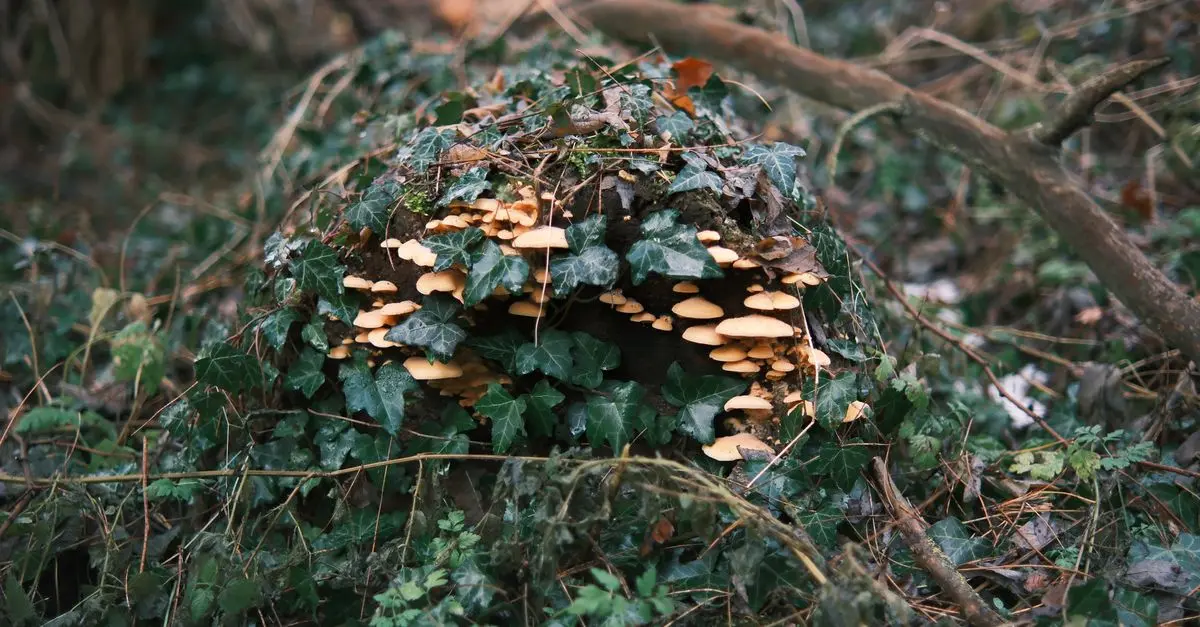
Each section of a woodland fulfills a unique ecological role. The canopy houses birds like tawny owls and insects such as wood ants. The understorey, rich with shrubs, provides shelter for smaller mammals like the European hedgehog. The forest floor, carpeted with leaves and fungi, is crucial for decomposers which recycle nutrients. Trends from Natural England suggest that protecting these habitats is vital for biodiversity conservation. By maintaining these natural structures, woodlands continue to support complex ecological interactions.
Wildlife Diversity
The rich variety of life in British woodlands includes animals such as red deer, badgers, and the elusive pine marten. Bird enthusiasts might glimpse woodpeckers or hear the distinctive call of cuckoos during spring. These species play significant roles in ecosystem balance, contributing to pest control and pollination. A 2025 survey by the RSPB highlighted the importance of woodlands in supporting over 80 bird species in the UK. Preservation of this biodiversity is critical for sustaining natural ecosystems.
Conservation Efforts
Conservation efforts are paramount in protecting woodland wildlife. Organisations like the Woodland Trust and Wildlife Trusts focus on habitat restoration and protection of endangered species. Initiatives such as tree planting and invasive species control have shown promising results in enhancing biodiversity. In 2026, data from the Woodland Trust indicated a positive correlation between new woodland projects and increased biodiversity indices. Engaging in these conservation activities helps ensure sustained ecological resilience.
Engaging with Nature
Interacting with woodland environments can be deeply enriching, offering educational and recreational opportunities. Woodland walks, bird watching, and nature photography are popular leisure activities that foster a deeper appreciation for wildlife. Involving local communities through volunteering or educational workshops can enhance awareness and involvement in conservation efforts. Encouraging personal responsibility in maintaining clean and undisturbed habitats bolsters efforts to preserve these natural wonders.
Summary and Call to Action
British woodlands provide essential habitats for a rich array of wildlife, playing a critical role in maintaining biodiversity. Understanding and conserving these ecosystems is an investment in our natural heritage and ecological future. We encourage readers to partake in woodland activities and support conservation initiatives. Together, we can safeguard these environments for future generations.
📺 Resource Video
> 📺 For further exploration: [Exploring British Woodlands: Biodiversity Insights], a comprehensive analysis of British woodland wildlife. Search on YouTube: "biodiversity British woodlands documentary".
Glossary
| Term | Definition |
|---|---|
| Canopy | The upper layer of trees forming the roof of a forest. |
| Understorey | The layer of vegetation underneath the canopy. |
| Ecosystem | A community of living organisms interacting with their environment. |
Checklist
- [ ] Identify key woodland species native to Britain
- [ ] Participate in local conservation activities
- [ ] Educate others about the importance of biodiversity
- [ ] Support policies promoting woodland protection
- [ ] Engage in responsible nature exploration
🧠 Quick Quiz: What is the primary role of decomposers in a woodland?
- A) Pollination
- B) Nutrient recycling
- C) Predator control
Answer: B — Decomposers recycle nutrients by breaking down dead material.