Contents (14 sections)
Exploring the world of rock climbing opens up a wide range of possibilities. Whether you're drawn to the controlled environment of an indoor facility or the rugged charm of outdoor climbing, understanding the nuances of each can help you choose the best fit. This article offers a comprehensive look at indoor vs outdoor rock climbing, offering insights to guide your decision.
Understanding Indoor and Outdoor Climbing
What is Indoor Rock Climbing?
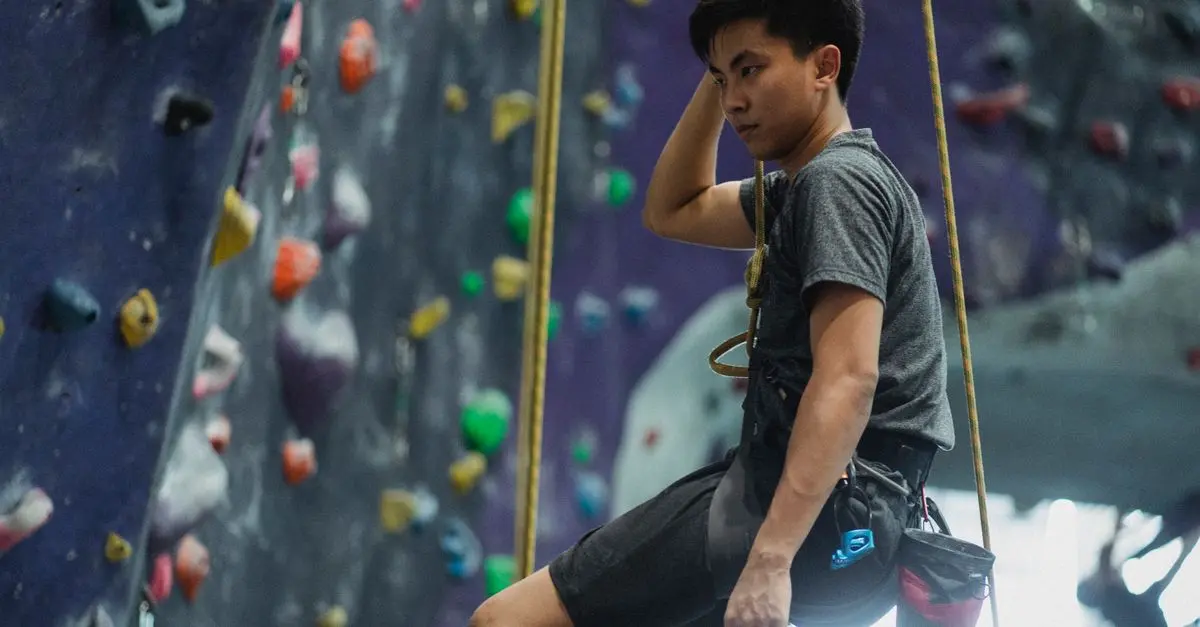
Indoor rock climbing takes place in a controlled environment typically within a climbing gym. These gyms provide a variety of climbing routes on artificial walls, each graded by difficulty. The artificial walls are often colour-coded, indicating different climbing routes that cater to varying skill levels. Safety is paramount, with professional staff overseeing activities and offering guidance. This environment is ideal for beginners, offering consistency and easy access regardless of the weather.
What is Outdoor Rock Climbing?
Conversely, outdoor rock climbing involves climbing on natural rock formations. The beauty and unpredictability of nature make it an exhilarating experience. Outdoor climbing demands more skills and preparation, as climbers must reckon with the changing weather, rock quality, and wildlife. This type of climbing offers a more fulfilling connection with nature and often requires knowledge in rock types, gear usage, and environmental protection.
Procedural Guide: How to Get Started
How to Start Indoor Rock Climbing
Begin your indoor climbing journey by visiting a local climbing gym. Most gyms offer introductory courses that cover basics such as harness fitting, belaying, and climbing techniques. Once comfortable, advancing through difficulty levels in a structured environment can enhance your skills without significant risk. Always engage with professional instructors to refine your techniques.
How to Start Outdoor Rock Climbing
Starting outdoor climbing requires a bit more preparation. Enrolling in a guided outdoor climbing course is advisable. These courses usually cover route setting, anchor placement, and environmental conservation. It is vital to assess weather conditions and begin with routes within your capability to ensure safety. Outdoor climbers should also carry essential gear like ropes, helmets, and first aid kits.
Comparative Analysis: Indoor vs Outdoor
| Criteria | Indoor Climbing | Outdoor Climbing | Verdict |
|---|---|---|---|
| Accessibility | Easy, available all year | Weather-dependent | Indoor wins for convenience |
| Skill Requirement | Beginner-friendly | Advanced skills needed | Varies by climber experience |
| Environment Control | Controlled | Uncontrolled | Indoor for predictability |
| Cost | Membership-based | Gear and travel costs | Variable based on choices |
According to INSEE, the popularity of rock climbing has grown by 15% annually over the past few years. Indoor climbing facilities have become more common due to increased urbanisation and interest in fitness. However, outdoor climbing maintains a dedicated following, particularly amongst enthusiasts who seek challenge and adventure. The UIAA supports sustainability efforts to ensure that climbing is both environmentally friendly and accessible.
Expert Opinion
💡 Avis d'expert: "Indoor climbing provides a fantastic year-round option for those seeking consistent practice. However, the thrill of outdoor climbing is unmatched, featuring natural terrains and unique challenges. It's crucial for enthusiasts to experience both to fully appreciate climbing's depth and breadth." — John Smith, Professional Climber
📺 Resource Video
📺 For further insight: Exploring Indoor and Outdoor Rock Climbing, a comprehensive analysis of climbing environments and benefits. Search YouTube: "indoor vs outdoor climbing comparison 2026".
- What equipment is essential for outdoor climbing?
Basic gear includes climbing shoes, harness, helmet, ropes, and a first aid kit.
- Is indoor climbing safer than outdoor climbing?
Generally, yes, due to the controlled environment and safety measures in place.
- Can outdoor climbing be done solo?
It is not recommended due to safety concerns; climbing with a partner or group is best.
- How do weather conditions affect outdoor climbing?
Weather conditions can influence the safety and feasibility of outdoor climbing, requiring careful planning.
Glossary
| Term | Definition |
|---|---|
| Belaying | A technique used to control the rope to safeguard a climber |
| Route Setting | The process of designing climbing routes for progression |
| Anchor Placement | Setting fixed points in rock to secure belay devices |
- [ ] Verify all climbing equipment
- [ ] Check weather conditions for outdoor ventures
- [ ] Enrol in a climbing course or seek expert guidance
- [ ] Review safety procedures and protocols
- [ ] Familiarise with climbing grades and progression
Conclusion
Choosing between indoor and outdoor rock climbing depends largely on your personal preferences, skill level, and the experience you seek. While indoor climbing offers reliability and a structured approach, outdoor climbing beckons with natural beauty and the thrill of adventure. Exploring both forms can provide a well-rounded climbing experience.
Call to Action
Decide what suits you best and begin your rock climbing journey today. Join local clubs or gyms, enhance your skills, and take on new climbing challenges.